
Beyond Personalization
Deliver Individualized Experiences at Scale


Consumers no longer notice when brands personalize.
They notice when brands don’t.
A generic email, irrelevant recommendation, and unappealing offer — these are reasons to leave.
Advances in AI, data infrastructure and analytics have changed the game. Companies can now deliver individualized experiences at scale — reshaping not just how marketing works, but how customer relationships are won.
AI enables individualized experiences at scale
The old playbook was simple: segment your customers, craft a message per segment, send it out.
It was blunt.
With AI, personalization is a dynamic, real-time capability — driven by behavioral, transactional and contextual data. Instead of targeting broad demographics, companies can engage each customer individually, having the capacity and data to send individual discounts on their favorite items, offer special promotions during their birthdays and surface recommendations tailored enough to drive a click.
The numbers make the case: 71% of consumers expect personalized interactions1 and leading companies derive 40% more revenue from personalization than slower-growing peers. Personalization is no longer a marketing tactic but a core growth engine and delivering this kind of personalization needs an upgrade to your capabilities.
What is actually required to personalize at scale
Personalization doesn’t happen with a single tool or campaign. It requires three capabilities and they need to work closely together and over time.
1. Real-Time Customer Data
You can’t personalize what you don’t know.
Companies need a unified, 360-degree view of each customer — integrating data across web, mobile, in-store and social — accessible in real time.
2. Predictive Models and Decision Engines
Knowing what a customer did is useful.
Predicting what they will do next is powerful.
Here is where machine learning comes in. Models can look at past data for patterns and predict intent, score propensity to purchase, churn and engage and surface the next best action — shifting marketing from reactive to proactive.
3. Dynamic Content Delivery
The right message means nothing if it arrives too late or on the wrong channel.
Content must be dynamically assembled and delivered across the right touchpoint, in the right frequency and with the right tone. Think of a customer who browses, abandons cart and then receives an offer on the right channel an hour later. That’s all three capabilities working as one.
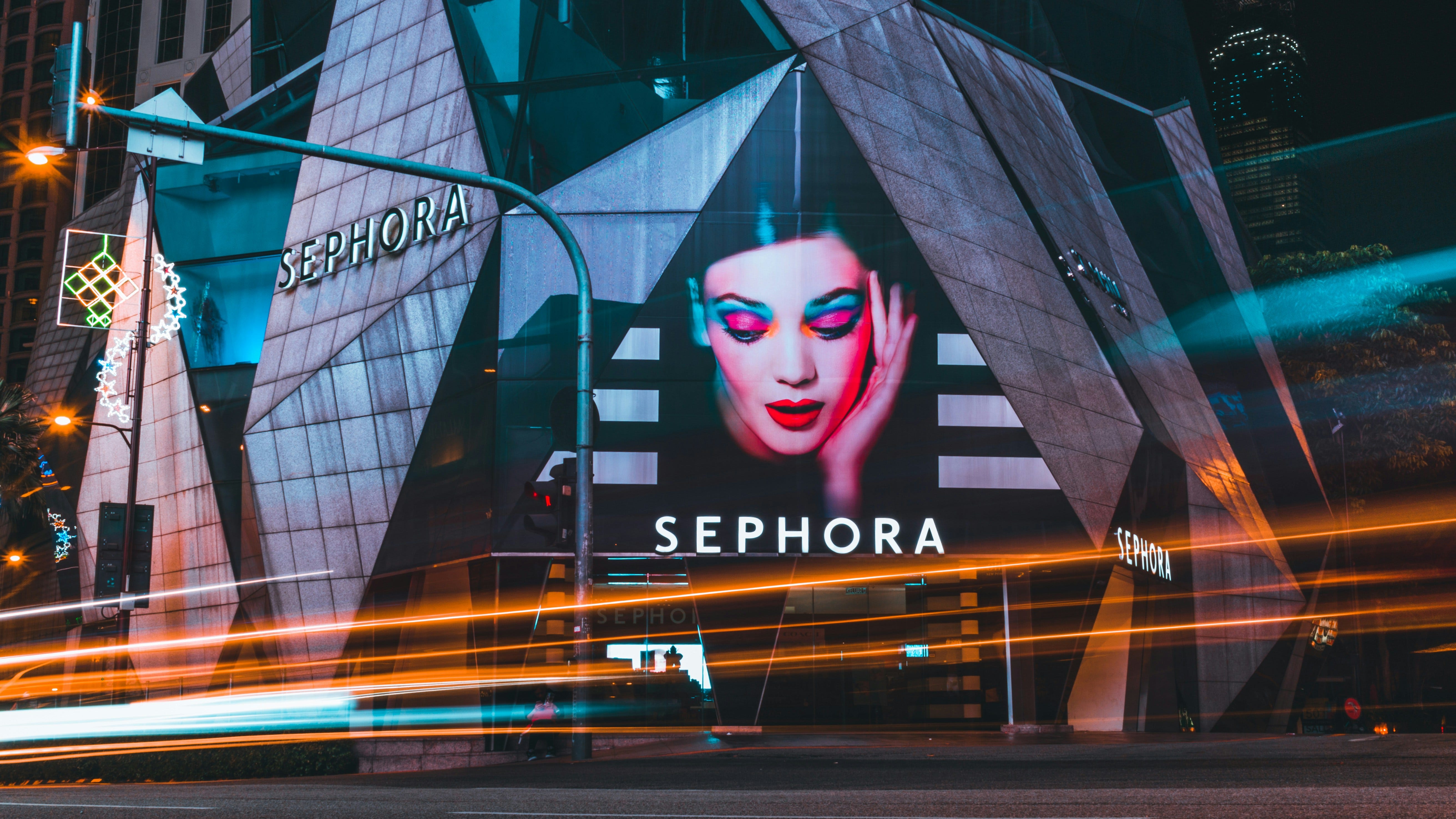
Case Study: Sephora
Sephora didn’t just adopt personalization; it rebuilt its entire customer experience around it.
Its mobile app seamlessly bridges the online and in-store experience, giving customers a unified journey wherever they shop.
This means personalized product recommendations drawn from purchase history, search behavior and saved likes. Virtual try-ons that remove the guesswork from buying and customer profiles that update in real time across touchpoints.
But the crown jewel is its loyalty program.
Top-tier members get early access to new products, invitations to exclusive events and complimentary beauty services — perks that feel less like rewards and more like a membership in something worth belonging to.
The results speak for themselves: loyalty members drive 80% of Sephora’s transactions.
That’s a business.
A realistic roadmap
Most companies don’t fail at personalization because the vision is wrong. They fail because they try to do everything at once.
1/ Pick your battles - Focus on 2-3 priority journeys (e.g., onboarding, conversion, retention) rather than attempting a full-scale transformation.
2/ Unify your data - Build a single customer view from existing sources. You don’t need perfect data, you need the right data.
3/ Win early - Deploy simple trigger-based use cases like abandoned cart recovery or next best product recommendations. Prove ROI fast.
4/ Break the silos - Personalization fails when marketing, data, IT and product work separately. Build small, cross-functional teams around specific journeys.
5/ Experiment constantly - Treat every interaction as a test. Rapid cycles, continuous optimization, no sacred cows.
6/ Scale - Expand to more channels, more journeys, more advanced models.
. . .
Personalization is the new customer expectation.
The companies that win won’t be those who send the right email at the right time. They’ll be the ones who re-architect their entire customer engagement model — weaving together data, technology and operating models into something that’s always on, always learning and always relevant.
The bar has moved.
If this perspective resonated, subscribe for more insights on customer behavior, growth and business strategy in an AI-shaped world.
“What is Personalization,” May 2025, McKinsey.